01
Configuration overview
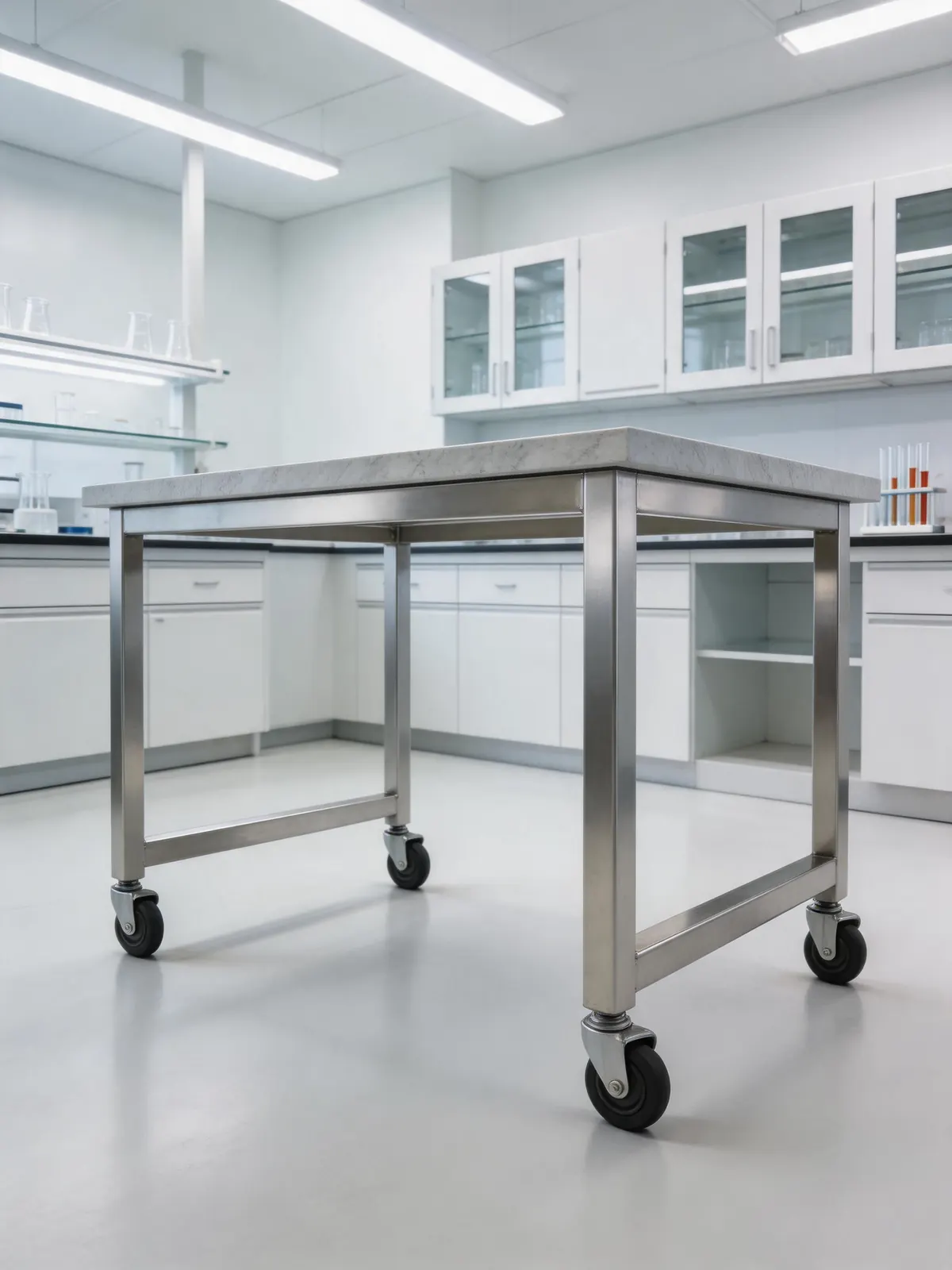
- Cart and mobile-table formats
- Storage and handle options
- Project-specific wheel discussion
Flexible support
Mobile furniture can support instruments, consumables, samples, or temporary work zones. Wheel type, braking, surface, load, and cleaning requirements should be confirmed for each project.
Final materials, dimensions, performance requirements, and compliance criteria must be confirmed in the quotation and technical review.
Request a quotation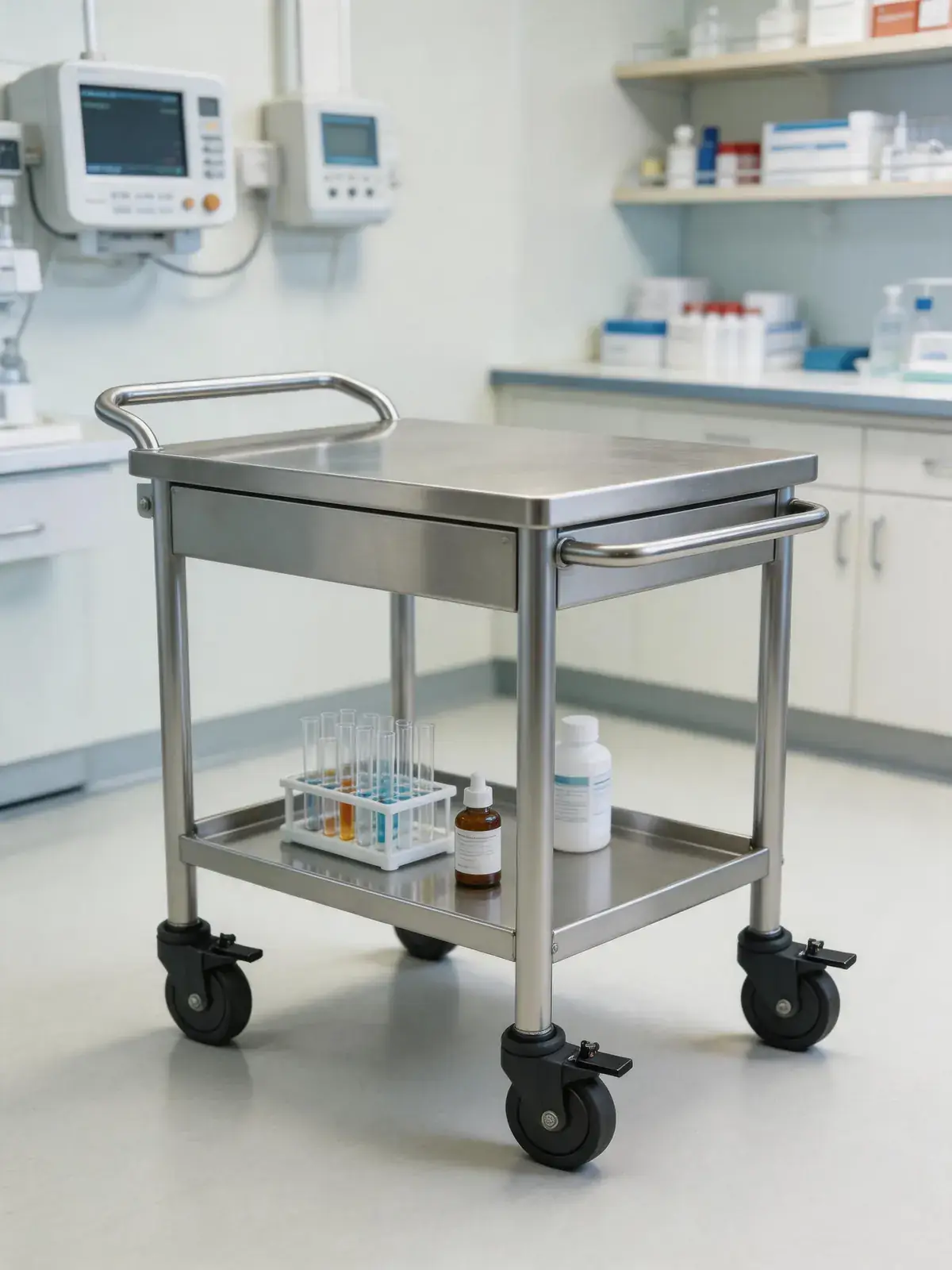
01
02
03
Manufacturer-side RFQ support
A useful mobile laboratory furniture inquiry identifies what will be carried, how the unit will move, where it will park, and whether equipment can be disconnected before movement. Those inputs guide the frame, work surface, storage, castors, brakes, handles, and operating limits.
Product planning
Use these planning points to organize the room, equipment, service, and operating information needed before a configuration is confirmed.
List the intended instruments, consumables, samples, and maximum working load, then check door widths, thresholds, lifts, floor transitions, turning space, and storage positions along the movement route.
Discuss caster type, braking approach, handles, centre of gravity, shelf retention, and how the unit is parked or used. Mobility should not be assumed to suit every process or instrument.
Confirm cleaning method, work-surface needs, drawer or shelf access, and whether utilities are fully disconnected before movement. Tethered services require a separate safety and interface review.
Technical brief
These fields provide a practical review framework rather than fixed model claims. Record the agreed selection in the quotation, drawings, and technical submittal before production.
Reference model guide
Use these original YOJIA reference codes to compare common configurations and prepare an inquiry. They are planning identifiers, not copies of another manufacturer's models or fixed production guarantees.
| Reference model | Configuration | Reference dimensions | Selection notes |
|---|---|---|---|
YJ-MC-600 | Mobile drawer cabinet | 600 × 500 × 650 mm | Under-bench storage reference with project-selected drawer or door arrangement. |
YJ-MT-900 | Mobile utility cart | 900 × 600 × 850 mm | General transport and staging cart with optional shelf and edge protection. |
YJ-MT-1200 | Mobile work table | 1200 × 750 × 850 mm | Flexible work surface for loads confirmed during technical review. |
YJ-MI-1200 | Mobile instrument table | 1200 × 800 × 750 mm | Instrument support reference; stability, vibration, and utility disconnection must be reviewed. |
All dimensions are nominal planning references. Final materials, thicknesses, loads, ventilation criteria, fixtures, interfaces, compliance evidence, and supplied scope must be recorded in the approved quotation and technical documents.
PRODUCT VIEW
Images show reference configurations. Confirm the exact supplied model, finish, dimensions, fixtures, and accessories in the final quotation.
Installed references
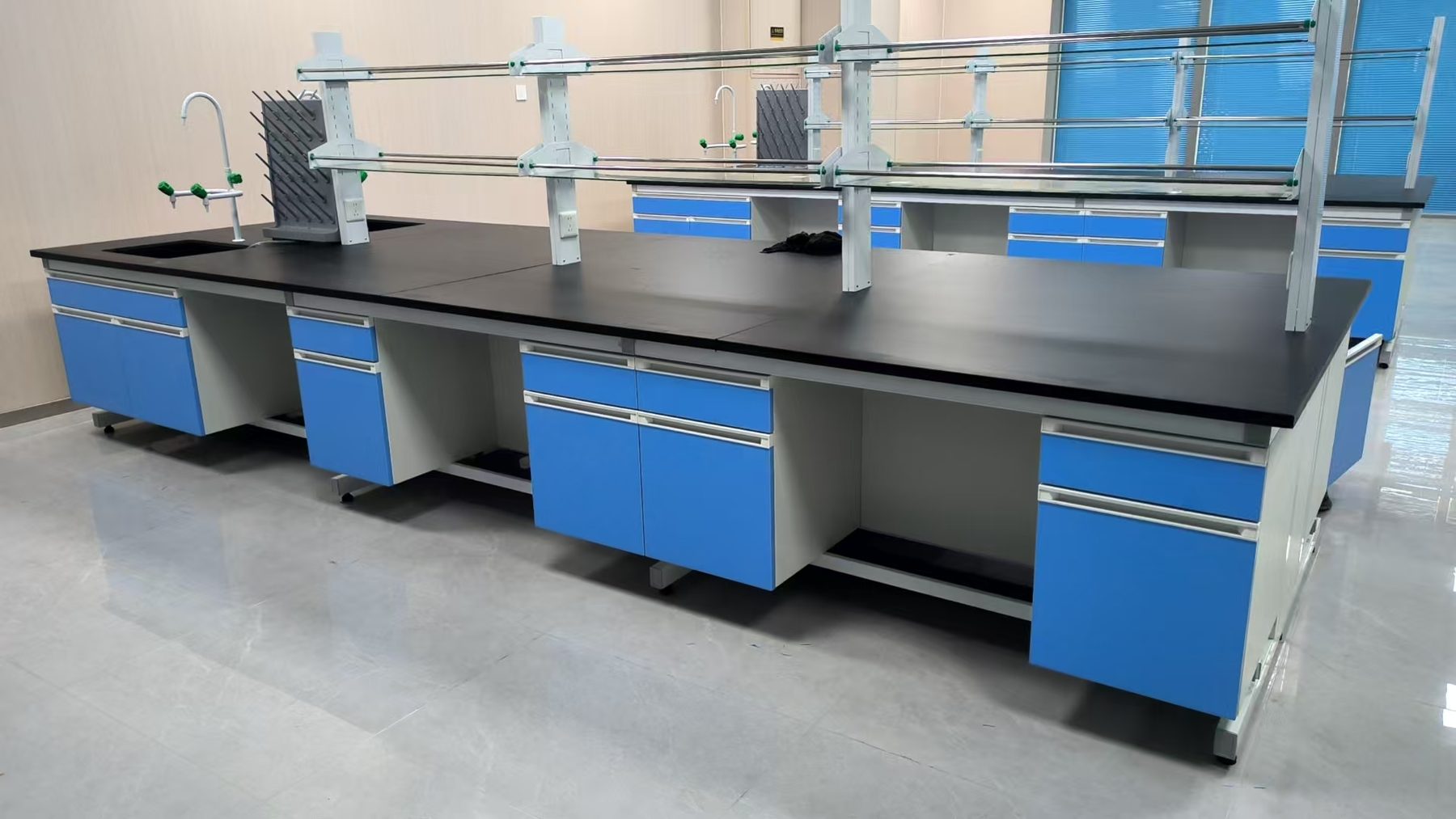
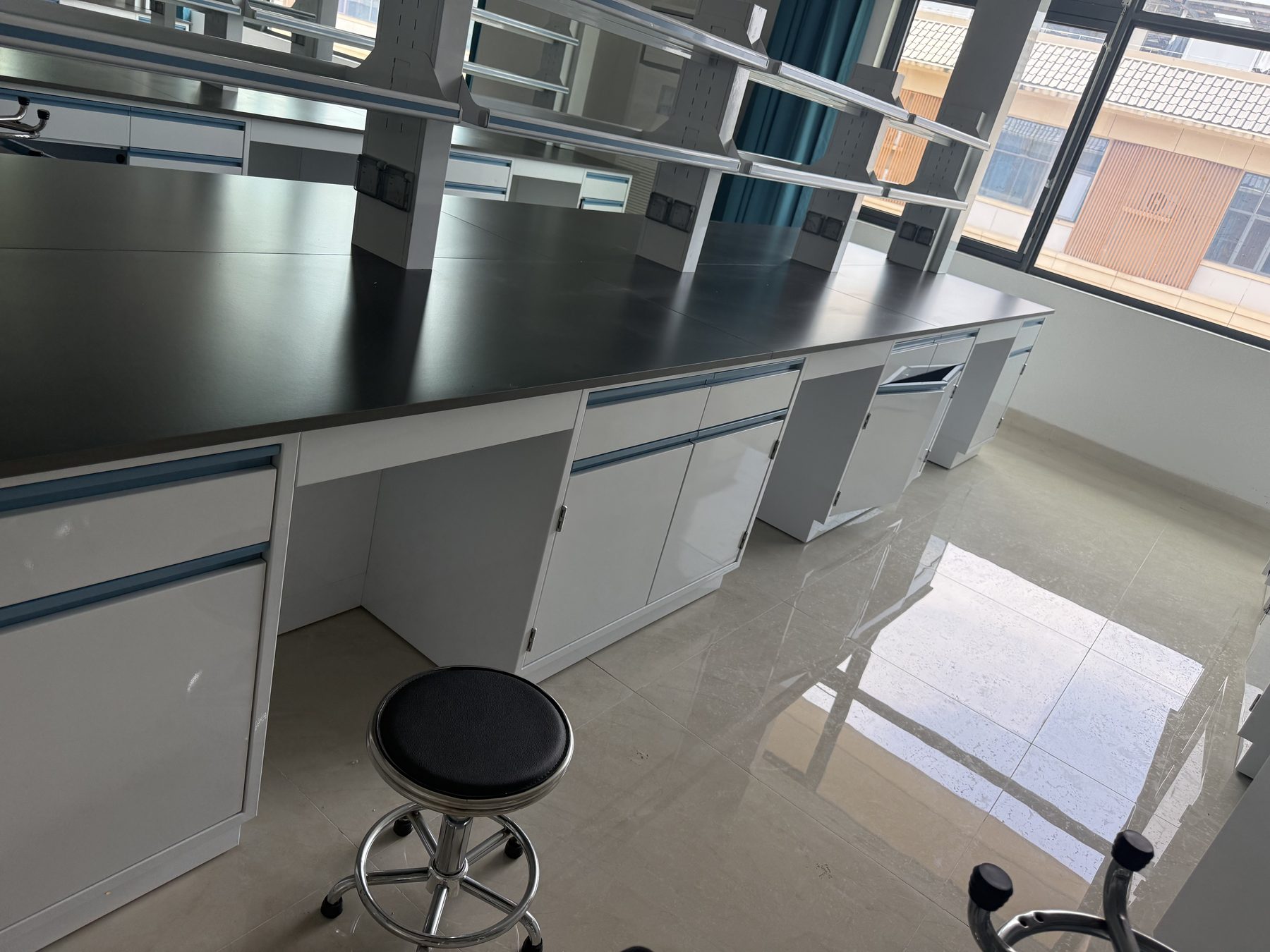
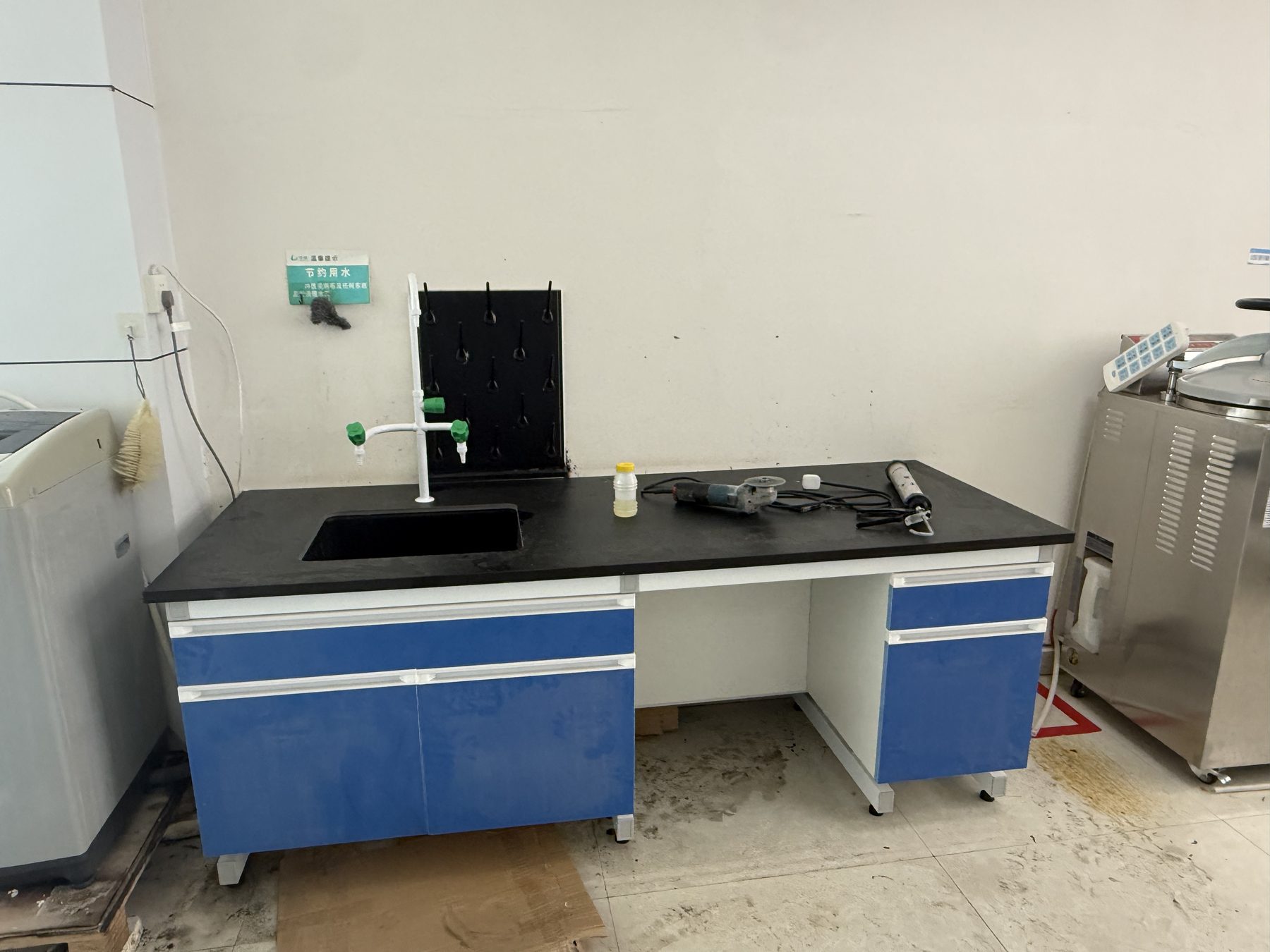
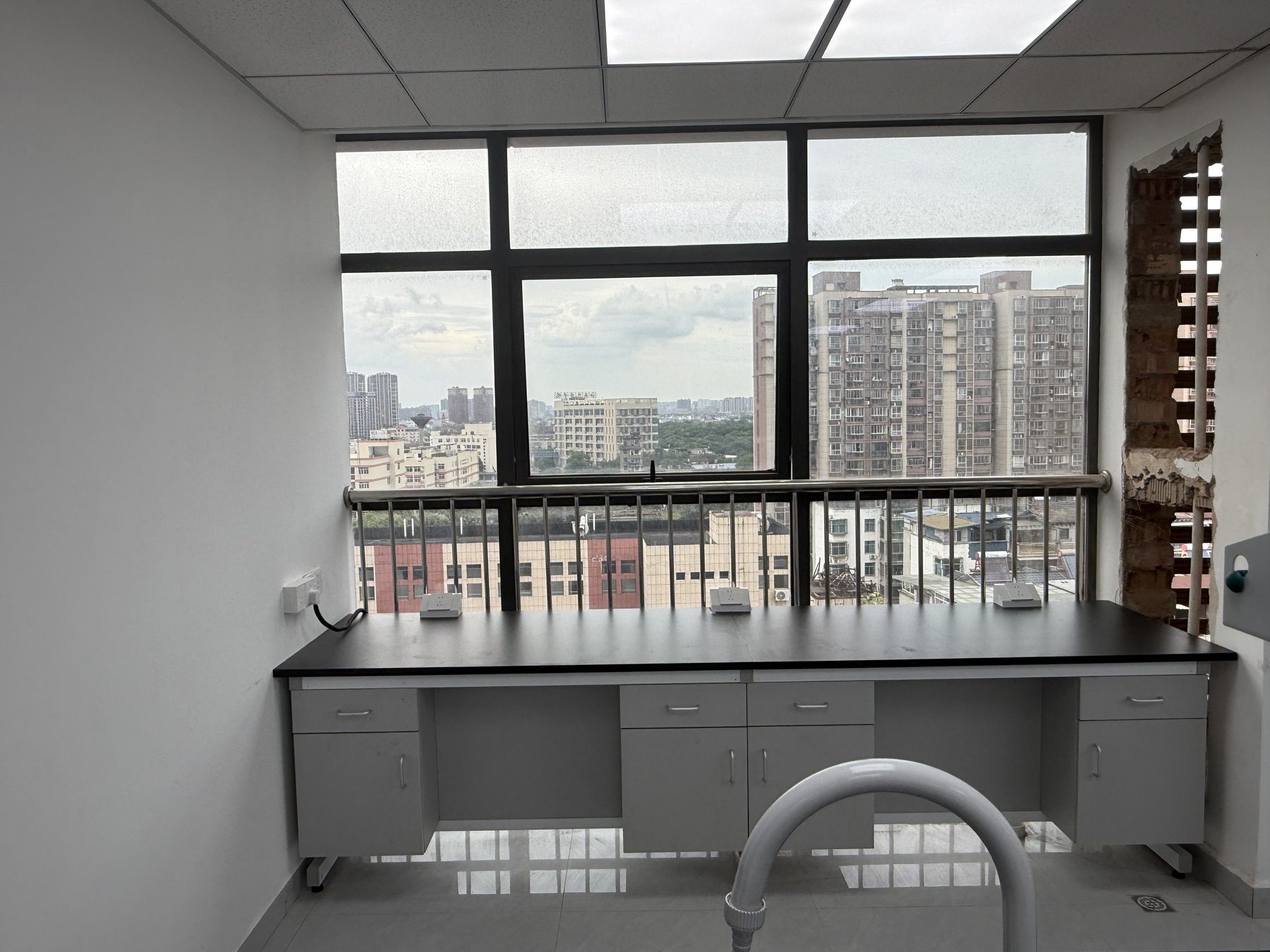
Owner-provided photographs show completed or in-progress laboratory installations. Captions describe only visible furniture and planning features; final supply remains project-specific.
Buyer questions
Clear project inputs help the team identify the right configuration and the details still requiring technical review.
Provide the intended payload, quantity, overall size constraints, movement route, floor conditions, cleaning method, required storage, and how the unit will be used and parked.
No. Equipment stability, calibration, vibration sensitivity, utilities, operating clearances, and manufacturer instructions must be reviewed before deciding that mobile support is appropriate.
Selection depends on the payload, floor, route, movement frequency, parking method, and cleaning conditions. The agreed caster and braking requirements should be recorded in the final quotation.
TECHNICAL & BUYER GUIDES
These original guides help project teams confirm room surveys, utilities, materials, equipment, installation, and inspection inputs. They support project preparation; the quotation, drawings, and technical review define the final configuration.
RFQ / Project inquiry
Share the room plan, quantity, destination, and technical requirements for a project-specific response.