Export delivery

International Laboratory Furniture Packing and Shipping Guide

Export delivery succeeds when packaging and logistics are designed around the actual furniture, route, destination, handling, storage, and installation sequence. A package count alone does not show whether every room can identify and safely receive its components.

Content owner: Jiangxi Youjia Laboratory Equipment Co., Ltd. · Reviewed 2026-08-03
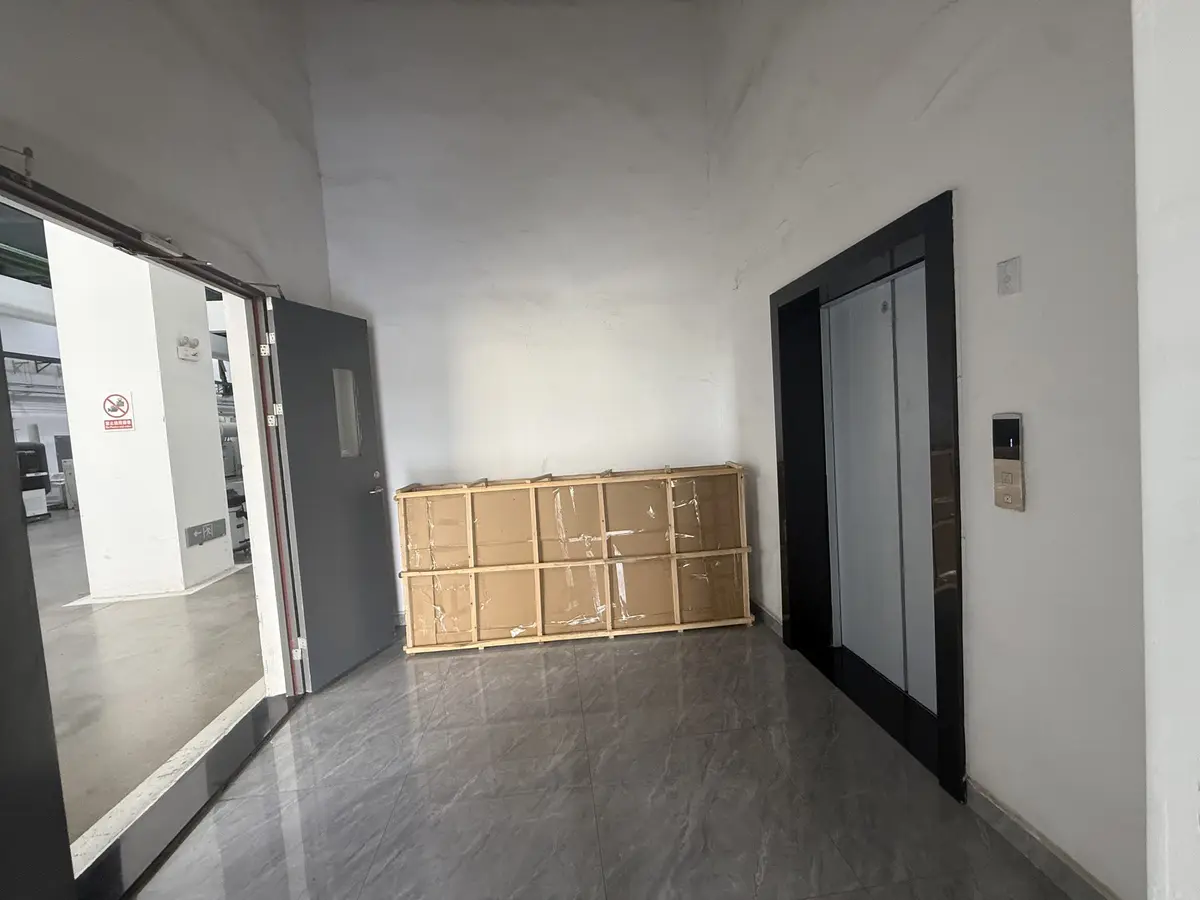
Protected laboratory furniture package delivered to a project floor

PROJECT INPUTS

Export logistics inputs

  • Final item schedule, dimensions, weights, quantities, and room references
  • Destination, trade terms, route, handling points, storage, and installation sequence
  • Protection needs for worktops, glass, coatings, hardware, fixtures, and loose parts
  • Package labels, packing list, photographs, container plan, and damage-report process
  • Required commercial, customs, origin, product, or destination documents verified before shipment

01

Freeze the shipping scope and responsibility

Align the final item schedule, package ownership, trade or delivery basis, destination, consignee, route, target dates, site unloading, storage, and installation responsibility.

Clarify who books transport, loads and secures cargo, provides export and import documents, arranges insurance where applicable, receives packages, and reports visible or concealed damage.

02

Engineer protection around the product

Assess cabinet bodies, worktops, glass, fixtures, coatings, corners, moving parts, loose hardware, moisture exposure, stacking, vibration, and expected handling points.

Use internal restraint and separation so components do not damage one another. Packaging materials and any timber requirements should be selected against the verified route and destination rules.

  • Surface and corner protection
  • Internal restraint and separation
  • Moisture and handling exposure
  • Opening and unpacking method

03

Make every package traceable

Labels should connect each package to the project, room, furniture item, package number, orientation, handling instruction, and packing list. Loose accessories and keys need the same traceability.

Prepare package photographs and a loading record. The container or vehicle plan should consider weight distribution, unloading order, lifting access, and the sequence required at the destination.

04

Plan receipt, storage, and claims

Before dispatch, confirm the unloading route, equipment, labour, opening sizes, storage environment, package protection, and who is authorized to sign delivery records.

At receipt, record package condition before movement, note exceptions on delivery documents, isolate damaged items, preserve packaging where required, and follow the agreed notification and evidence process without delaying unaffected work.

RELATED PRODUCTS

Connect the planning brief to product families

Use these product pages to organize configuration and RFQ inputs. The confirmed quotation and technical documents define the supplied scope.

BUYER QUESTIONS

Questions project teams often confirm

01What information is needed before export packing begins?

Confirm the final item and package schedule, dimensions, weights, finishes, loose parts, destination, route, handling, storage, installation sequence, responsibility, and required documents.

02How should laboratory furniture packages be labelled?

Use project, room, furniture item, package number, quantity, orientation, handling, and packing-list references that remain readable through transport and site distribution.

03When should destination document requirements be checked?

At inquiry and order review, then again before dispatch. Document title, issuer, scope, validity, format, and responsibility should be verified rather than assumed.

RFQ / Project inquiry

Apply these planning points to your project

Share the room plan, workflow, equipment, quantities, destination, and current technical requirements so the next decisions can be identified.

Request a quotation