01
Configuration overview
- Reagent and labware storage formats
- Steel, PP, aluminium-wood, and stainless references
- Single- and double-cylinder cabinet options
Reagent, labware, and cylinder storage
Laboratory storage should be planned from the contents, container size, segregation, ventilation, access frequency, spill provisions, labels, and local requirements. The reference range includes general reagent, labware, and gas-cylinder cabinet formats in several construction materials.
Final materials, dimensions, performance requirements, and compliance criteria must be confirmed in the quotation and technical review.
Request a quotation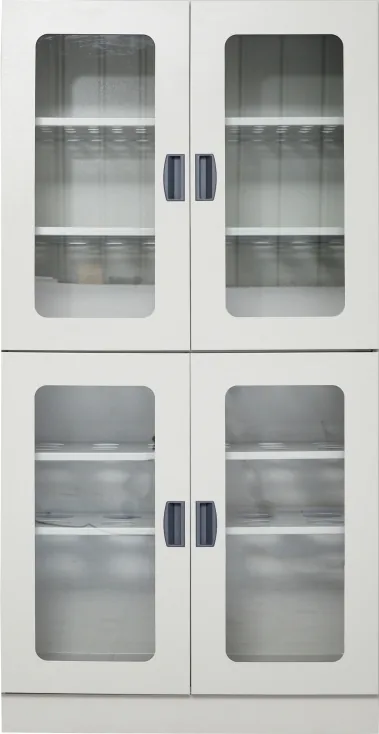
01
02
03
Product planning
Use these planning points to organize the room, equipment, service, and operating information needed before a configuration is confirmed.
List the contents, container sizes, quantities, weights, access frequency, incompatibilities, and any requirement for ventilation, restraint, spill containment, or controlled access.
Separate general labware storage from reagent, cylinder, and other controlled-storage needs. Material, labels, ventilation, shelves, locks, and location should follow the approved use rather than appearance.
Check door swing, aisle width, emergency routes, wall fixing, duct or alarm interfaces, maintenance access, and transfer routes before the cabinet schedule is approved.
Technical brief
These fields provide a practical review framework rather than fixed model claims. Record the agreed selection in the quotation, drawings, and technical submittal before production.
Reference model guide
Use these original YOJIA reference codes to compare common configurations and prepare an inquiry. They are planning identifiers, not copies of another manufacturer's models or fixed production guarantees.
| Reference model | Configuration | Reference dimensions | Selection notes |
|---|---|---|---|
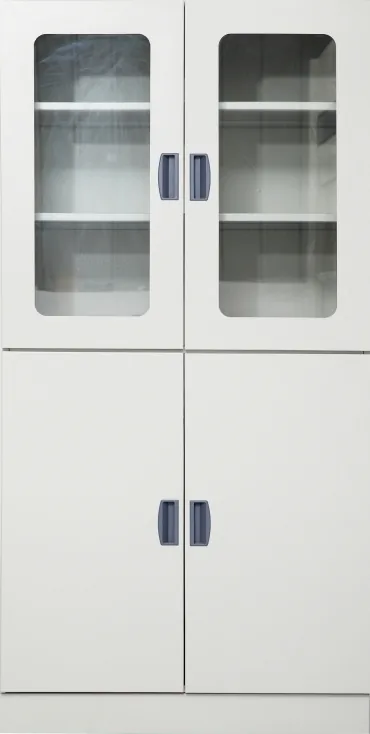
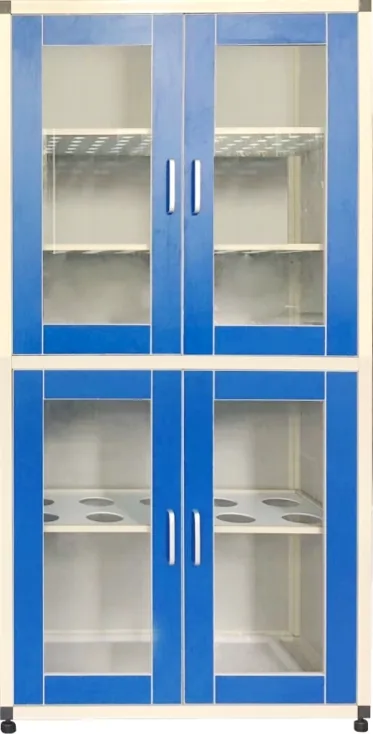
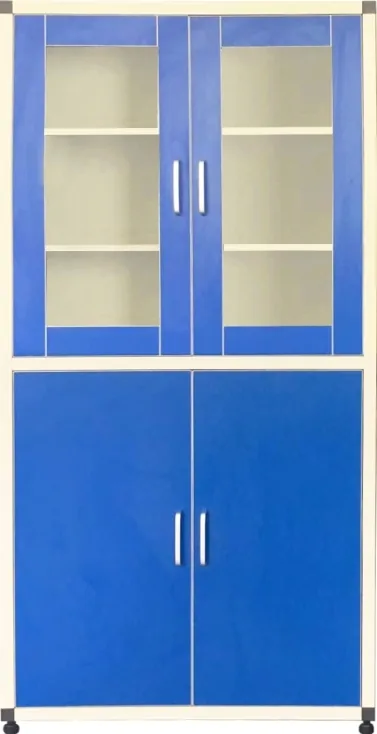
YJ-LC-900 | Laboratory ware cabinet | 900 × 450 × 1800 mm | General tall cabinet with configurable glazed or solid doors and shelves. |
YJ-RC-900 | Reagent storage cabinet | 900 × 450 × 1800 mm | Project-configured storage; substance segregation, tray, lock, and ventilation needs require review. |
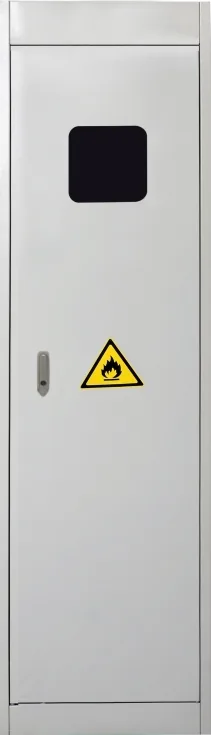
YJ-GC-600-S | Single-position gas cylinder cabinet | 600 × 450 × 1900 mm | Indoor furniture reference; cylinder size, restraint, ventilation, and applicable rules must be confirmed. |
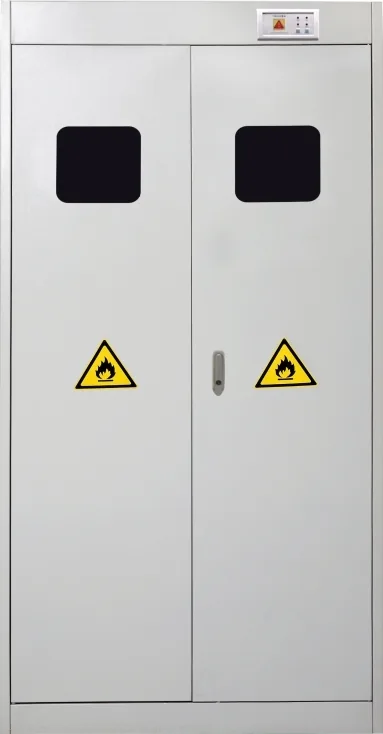
YJ-GC-900-D | Double-position gas cylinder cabinet | 900 × 450 × 1900 mm | Two-position reference subject to cylinder, regulator, restraint, segregation, and project review. |
All dimensions are nominal planning references. Final materials, thicknesses, loads, ventilation criteria, fixtures, interfaces, compliance evidence, and supplied scope must be recorded in the approved quotation and technical documents.
PRODUCT VIEW
Images show reference configurations. Confirm the exact supplied model, finish, dimensions, fixtures, and accessories in the final quotation.
Buyer questions
Clear project inputs help the team identify the right configuration and the details still requiring technical review.
No. Contents may require segregation by compatibility, dedicated ventilation or containment, specific labels, and local safety controls. The inventory and responsible safety review should determine the cabinet type.
Provide gas type, cylinder dimensions and quantity, restraint method, regulator arrangement, ventilation and alarm design, room position, pipe route, access, and destination requirements.
The page presents furniture reference configurations only and does not claim a certification. Any required certification, test report, label, or standard must be specified and supported by verified documents before purchase.
RFQ / Project inquiry
Share the room plan, quantity, destination, and technical requirements for a project-specific response.