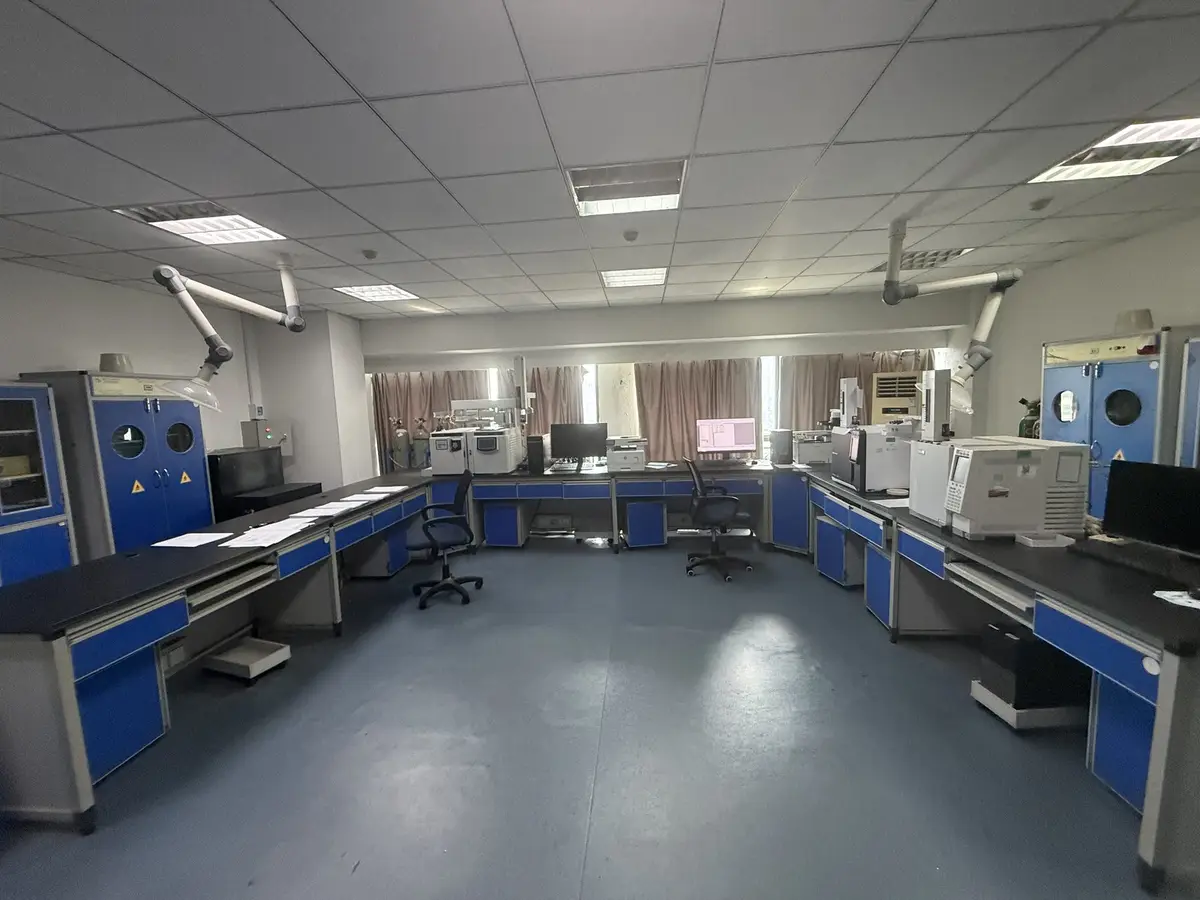
Rare-earth quality testing

Rare-Earth Quality Testing Laboratory Furniture

Rare-earth quality laboratories may support incoming material, in-process, finished-product, or recycling streams through traceable receipt, preparation, approved fusion or digestion methods, instrumental analysis, reference-material control, review, reporting, and sample retention. Furniture should make this sequence visible and serviceable without making claims about analytical performance, method validity, or compliance that belong to the laboratory's quality and technical systems.

Content owner: Jiangxi Youjia Laboratory Equipment Co., Ltd. · Reviewed 2026-08-03
Real instrument laboratory reference for rare-earth quality testing planning

PROJECT INPUTS

Information to prepare

  • Production sample types, lots, containers, traceability, throughput, turnaround, and retention rules
  • Approved preparation and analytical methods with standards, blanks, controls, review, and reporting steps
  • Equipment schedule with loads, gases, extraction, heat, cooling, utilities, clearances, and environment
  • Sample, reference-material, reagent, tool, record, retained-sample, and waste-related storage needs
  • Quality, method, EHS, ventilation, facility, accessibility, destination, and local project criteria

01

Make traceability visible in the physical workflow

Map how production samples are received, identified, subdivided, prepared, analyzed, reviewed, reported, retained, and disposed. Mark handoffs, quarantine or hold points, records, and access responsibilities.

Use clearly assigned stations and storage to support the approved quality process, while method validation, measurement uncertainty, proficiency, accreditation, and release decisions remain outside the furniture scope.

  • Receipt, identification, and subdivision
  • Method-defined preparation
  • Instrument analysis and data review
  • Reporting, retention, and controlled disposal

02

Keep harsh preparation away from clean instruments

Mechanical preparation, powders, heating, fusion, digestion, leaching, and other method-defined tasks may introduce dust, vibration, heat, vapor, corrosive exposure, or contamination. Locate and control them according to the approved analytical and EHS review.

Analytical stations should be planned around environmental conditions, sample transfer, gases, exhaust, cooling, data, calibration, service access, and replacement routes rather than only the instrument footprint.

03

Coordinate standards, samples, and records

Separate incoming samples, prepared portions, certified or internal reference materials, standards, blanks, reagents, clean tools, retained samples, records, and waste-related items according to access, environmental, contamination, and retention requirements.

State cabinet load, container format, quantity, security, replenishment, archive growth, and whether specialist, ventilated, hazardous, or temperature-controlled storage is supplied separately.

04

Design for uptime and future method change

Provide access to isolators, valves, regulators, filters, exhaust connections, chillers, pumps, cylinders, cables, service panels, and maintenance routes after furniture is installed.

Where future methods or instruments are reasonably known, record their expected load, utilities, environment, access, and timing so planned equipment positions can be provided without disrupting the approved current workflow.

RELATED PRODUCTS

Connect the planning brief to product families

Use these product pages to organize configuration and RFQ inputs. The confirmed quotation and technical documents define the supplied scope.

BUYER QUESTIONS

Questions project teams often confirm

01What information should a rare-earth quality laboratory RFQ include?

Include sample and lot flow, approved methods, throughput, equipment, utilities, extraction, environmental criteria, standards, storage, retention, room plans, destination, quantities, and responsibility boundaries.

02Does laboratory furniture determine ICP-MS, ICP-OES, or other analytical performance?

No. Analytical performance depends on the approved method, instrument, environment, utilities, operation, quality controls, and technical governance. Furniture only coordinates the verified physical interfaces.

03How should future quality-testing instruments be planned?

Provide the likely footprint, load, gases, exhaust, cooling, power, data, environment, access, service panels, replacement route, and implementation timing for a defined future position.

RFQ / Project inquiry

Apply these planning points to your project

Share the room plan, workflow, equipment, quantities, destination, and current technical requirements so the next decisions can be identified.

Request a quotation