Rare-earth materials research

Rare-Earth Materials R&D Laboratory Furniture

Rare-earth materials research may combine mineral, oxide, alloy, powder, magnet, recycling, or process samples with cutting, grinding, weighing, fusion, digestion, leaching, separation, thermal work, instrumental analysis, and microanalysis. The furniture plan should follow the approved analytical methods and hazard review, keeping disruptive preparation away from sensitive instruments and assigning extraction, utilities, environmental conditions, and specialist equipment to the responsible teams.

Content owner: Jiangxi Youjia Laboratory Equipment Co., Ltd. · Reviewed 2026-08-03
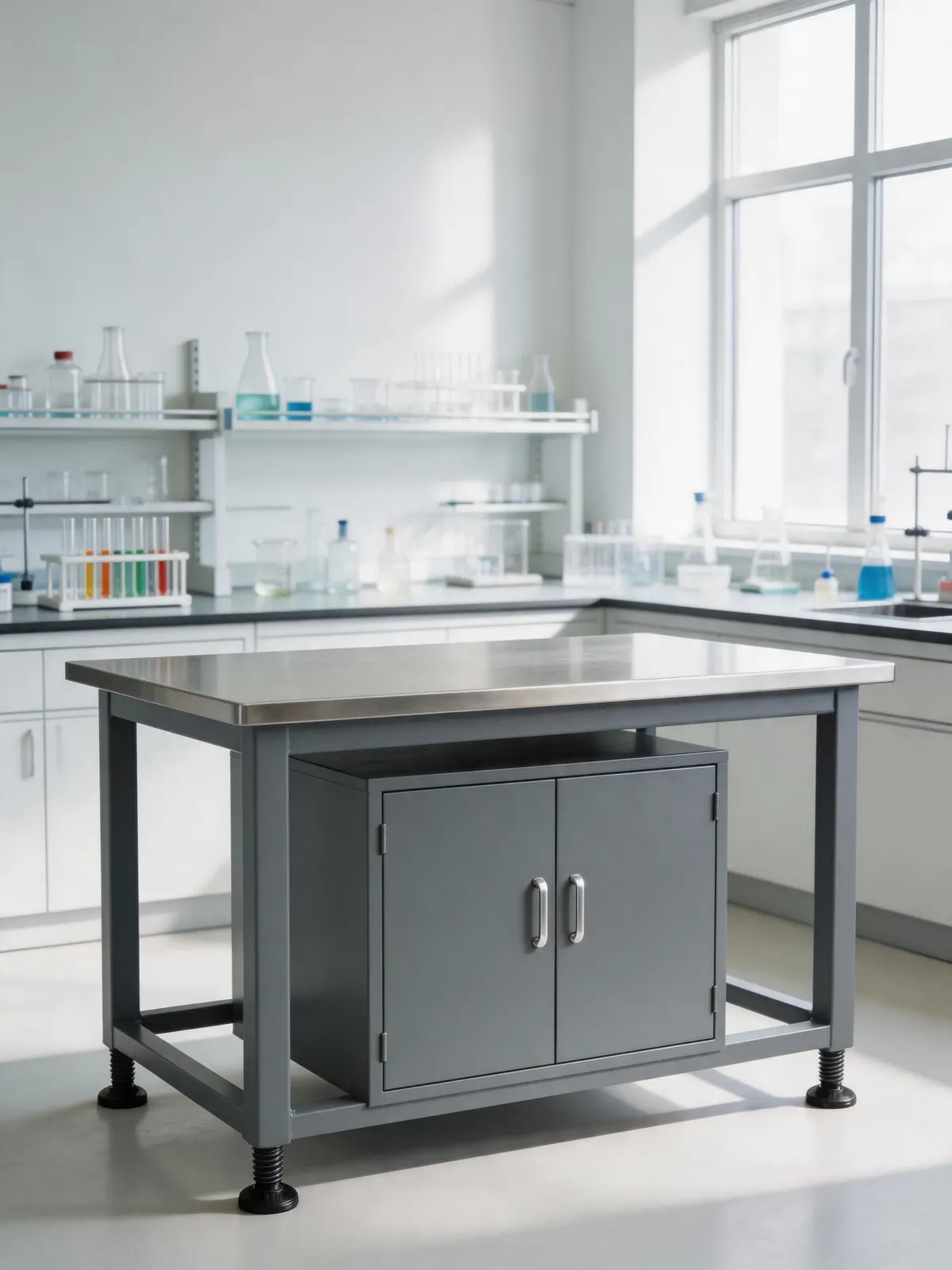
Reference robust independent laboratory worktable for rare-earth materials research

PROJECT INPUTS

Information to prepare

  • Material forms, batch sizes, preparation methods, hazards, throughput, and approved analytical sequence
  • Cutting, grinding, weighing, thermal, fusion, digestion, leaching, separation, instrument, and microanalysis zones
  • Equipment schedule with loads, heat, vibration, extraction, gases, utilities, access, and environmental criteria
  • Sample, standard, reagent, tool, crucible, retained-material, record, and waste-related storage categories
  • Approved process, EHS, ventilation, fire, electrical, facility, accessibility, and local project requirements

01

Separate preparation from sensitive analysis

Map each approved method from sample receipt through mechanical or wet preparation, weighing, heating, fusion or digestion where applicable, separation, instrumental analysis, microanalysis, reporting, and retention.

Identify work that generates dust, debris, vibration, heat, corrosive exposure, vapor, or cross-contamination risk and keep it appropriately separated from balances, analytical instruments, microscopy, and data-review positions.

  • Sample receipt and mechanical preparation
  • Method-defined hot and chemical work
  • Instrumental analysis and microanalysis
  • Reporting, standards, and retention

02

Treat hot and chemical processes as engineered interfaces

Fusion, digestion, leaching, separation, heated vessels, powders, acids, and other method-defined tasks can require specialist equipment, local controls, ventilation, utilities, spill management, and compatible materials.

The responsible process, analytical, EHS, ventilation, and facility teams must approve the control strategy. Furniture can then coordinate support, openings, sinks, services, liners, clearances, and responsibility boundaries.

03

Support instruments from verified operating data

For analytical and microanalysis equipment, record footprint, operating and point loads, vibration sensitivity, heat, gases, power, data, water or cooling, exhaust, environmental criteria, service panels, calibration access, and replacement routes.

Heavy, tall, dynamic, or highly sensitive equipment may require independent frames, floor support, isolation, or manufacturer-approved stations rather than ordinary bench support.

04

Control samples, standards, tools, and retained material

Organize incoming material, prepared fractions, reference materials, standards, crucibles, tools, clean consumables, reagents, retained samples, records, PPE, and waste-related items by access, contamination risk, weight, and replenishment responsibility.

Hazardous, flammable, ventilated, secured, temperature-controlled, or high-load storage should be specified separately and reviewed against the approved method and local project requirements.

RELATED PRODUCTS

Connect the planning brief to product families

Use these product pages to organize configuration and RFQ inputs. The confirmed quotation and technical documents define the supplied scope.

BUYER QUESTIONS

Questions project teams often confirm

01What process information is needed for a rare-earth R&D laboratory layout?

Provide material forms, batch sizes, preparation and analytical methods, hazards, throughput, equipment, utilities, environmental needs, storage, retention, and approved control measures.

02Should fusion or acid digestion share space with analytical instruments?

Adjacency depends on the approved method, hazards, contamination control, heat, ventilation, utilities, and instrument environment. The responsible specialists must define the separation and interfaces.

03Can a standard laboratory bench support microanalysis equipment?

Only after the equipment load, vibration, environment, services, access, and manufacturer installation requirements are verified. Specialist or independent support may be required.

RFQ / Project inquiry

Apply these planning points to your project

Share the room plan, workflow, equipment, quantities, destination, and current technical requirements so the next decisions can be identified.

Request a quotation