Medical research laboratories

Medical Research Laboratory Furniture Planning

Medical research laboratories often support changing studies, shared equipment, sample preparation, wet-bench tasks, imaging or analytical work, cold-storage interfaces, documentation, and collaboration. Furniture should provide clear, maintainable work zones and controlled flexibility while institutional research, biosafety, clinical-material, ethics, facility, and regulatory decisions remain with the responsible teams.

Content owner: Jiangxi Youjia Laboratory Equipment Co., Ltd. · Reviewed 2026-08-03
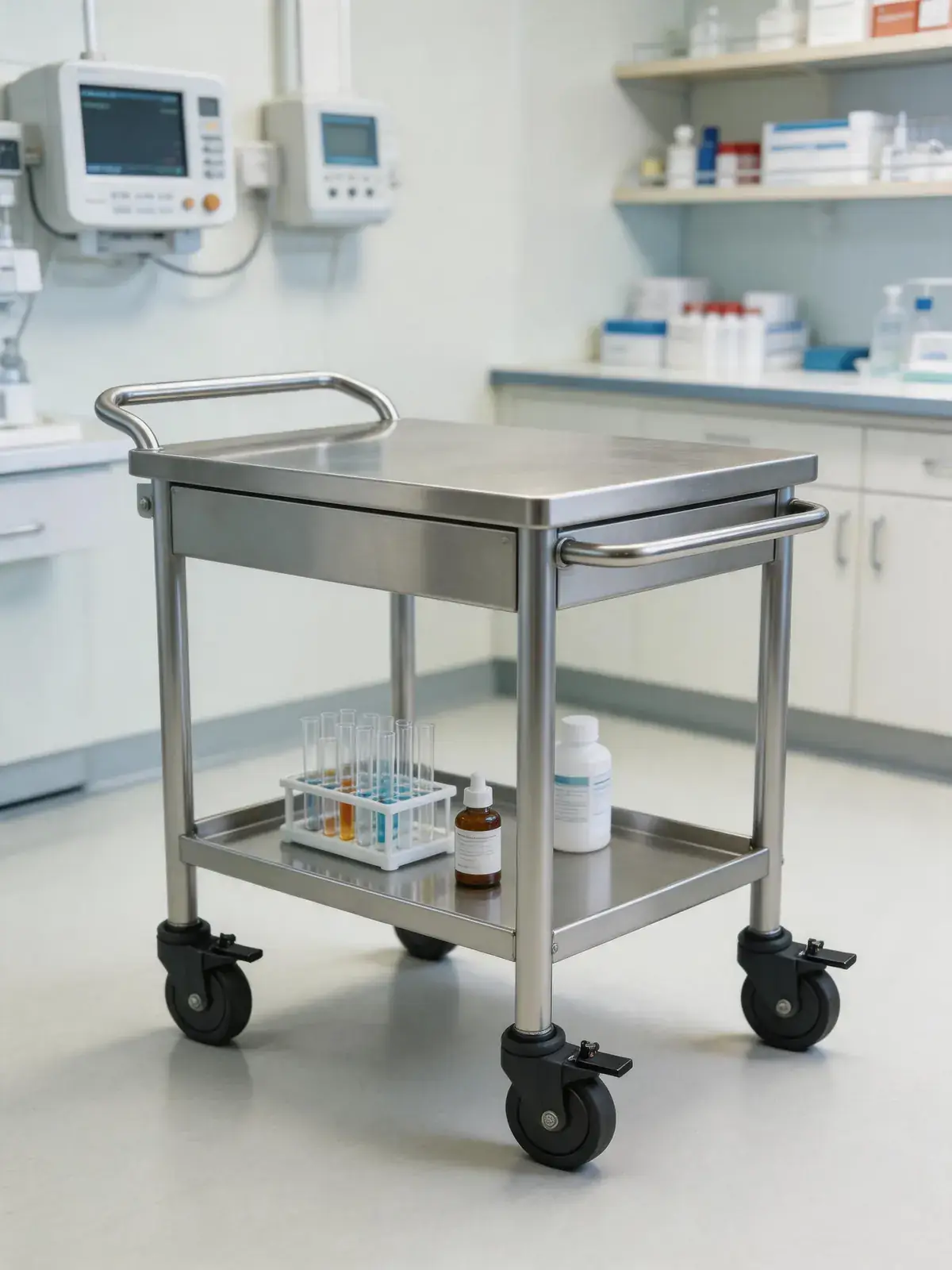
Reference mobile stainless-steel support cart in a medical research laboratory

PROJECT INPUTS

Information to prepare

  • Approved research workflows, sample types, throughput, users, access rules, and shared-equipment model
  • Equipment and cold-storage schedule with loads, heat, vibration, utilities, clearances, and alarms
  • Wet work, instrument, imaging, documentation, collaboration, washing, and storage zones
  • Cleaning methods, consumable volumes, mobile-support needs, records, and waste interfaces
  • Institutional biosafety, clinical-material, ethics, accessibility, facility, and local project criteria

01

Translate research workflows into room zones

Map how samples, reagents, consumables, staff, records, and waste move between receipt, preparation, experimental work, shared instruments, imaging or analysis, review, and storage.

Where activities need separation, controlled access, environmental conditions, or specialist containment, use the arrangement approved by the responsible institutional teams rather than inferring it from a generic laboratory layout.

  • Sample and reagent preparation
  • Wet-bench research
  • Shared instruments and imaging
  • Records, collaboration, and storage

02

Coordinate shared equipment as complete stations

For each centrifuge, incubator, imaging system, freezer, refrigerator, analyzer, or other device, document operating load, heat, vibration, services, door travel, user clearance, maintenance panels, consumable handling, and replacement route.

Equipment ownership, booking, cleaning, alarm response, calibration, and service responsibility can affect adjacency and storage; record these operational inputs before finalizing bench and cabinet modules.

03

Use flexibility only where the process allows it

Open equipment bays, accessible services, modular storage, and mobile support can help research teams adapt to changing studies when the approved workflow, loading, stability, cleaning, cable management, and parked position have been considered.

Fixed sinks, extracted work, heavy equipment, specialist containment, and sensitive instruments generally need more controlled interfaces and should not be made mobile solely for visual flexibility.

04

Keep specialist systems and responsibilities explicit

Biosafety cabinets, clean benches, cold storage, gases, room pressure, monitoring, decontamination, clinical-material controls, and regulated waste systems may be supplied and certified separately.

Furniture drawings and quotations should list every interface, supplier, installation sequence, verification requirement, exclusion, and item by others so a standard bench is not mistaken for a specialist control system.

RELATED PRODUCTS

Connect the planning brief to product families

Use these product pages to organize configuration and RFQ inputs. The confirmed quotation and technical documents define the supplied scope.

BUYER QUESTIONS

Questions project teams often confirm

01How is a medical research laboratory different from a routine clinical laboratory?

Research spaces may support changing studies, shared platforms, collaboration, and evolving equipment. The responsible institution still defines sample, biosafety, clinical-material, ethics, facility, and regulatory controls.

02What should be documented for shared instruments?

Record the model, load, heat, vibration, utilities, environmental needs, access, consumables, cleaning, alarm, service, calibration, booking, and replacement responsibilities.

03When is mobile furniture appropriate in medical research?

Use it only where the approved workflow allows movement and the project has confirmed payload, stability, braking, cleaning, cables or services, travel route, and safe parked operation.

RFQ / Project inquiry

Apply these planning points to your project

Share the room plan, workflow, equipment, quantities, destination, and current technical requirements so the next decisions can be identified.

Request a quotation